
For years, I tried to appear fully sighted in order to avoid stigma.
I memorised layouts, counted steps, and followed shadows. In unfamiliar places I walked cautiously, sliding my feet across the ground so I could detect kerbs, steps or unexpected obstacles before they sent me sprawling. As I discovered years later, my feet were doing the work of a white cane. I hoped no one noticed my strange gait. When I bumped into things, or tripped over an object, I laughed it off pretending it didn’t matter.
Navigating the staircases and the maze of corridors
As a teacher at an old high school, possibly the school with the most staircases in the whole of Tasmania, I knew every inch of the place right down to the number of steps to each staircase, how many stairs were in every flight and exactly where to turn to reach every classroom. up the stairs and all the areas of the school I had to go to. Relying on my mental map was exhausting, but it had to be done to appear normal.
But pretending came at a cost
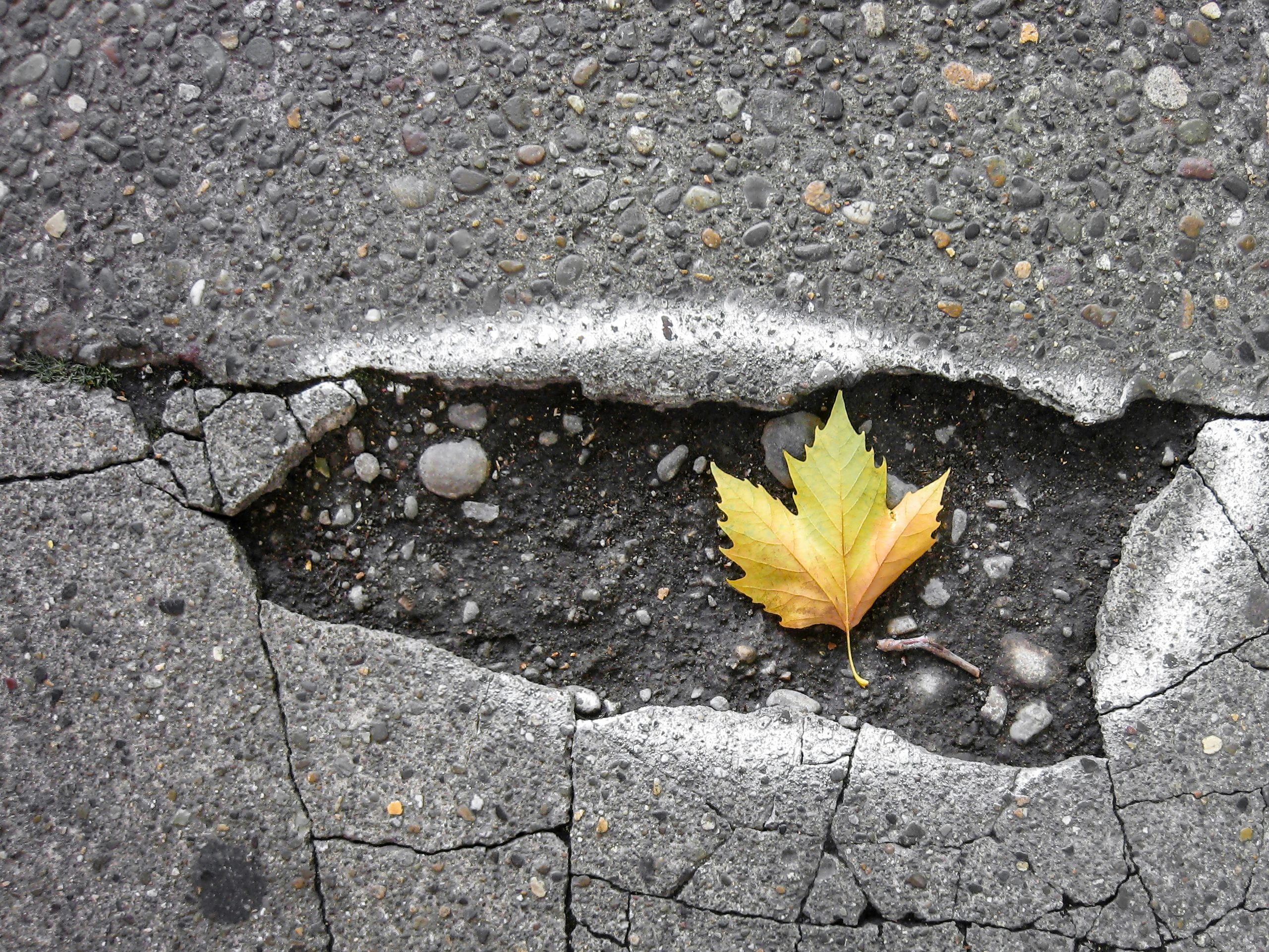
Long before I fell into that pothole on a Tasmanian footpath, I had already broken both of my arms in separate accidents. Then came the pothole. The fall left me with a broken leg—my third major fracture. There were countless other falls, collisions and bruises along the way. Looking back, many of those injuries could have been reduced, or perhaps prevented altogether, if I had accepted the mobility aids I so stubbornly resisted.
The real injury was never just the broken bones
It was pride.
If I could speak to the younger version of myself lying on that Tasmanian footpath, I would not severely reprimand her.
I would simply say:
You are not weak for using mobility aids. You are not fraudulent because your eyes look normal. It’s okay to walk slowly and carefully especially if you are somewhere unfamiliar. You can ask for help. You don’t have to risk your own safety just to make other people feel comfortable.
And I would add one more thing:
Your children deserve a mother who chooses safety over pride.
The fear of being seen as blind
The irony is that the very thing I once feared, being seen as blind, has become central to my work, my advocacy and my identity. When we choose to be visible on our own terms, that visibility becomes a source of strength.
Today, I understand that mobility aids are not symbols of limitation. They are instruments of freedom. A white cane is not an admission of defeat; it is a strategy for independence.
Living in a world that looks away
As for the cars that drove past while I lay on that road, I no longer feel anger. I feel perspective. People often fail to act when they are uncertain. And who are we to judge when we live in a world that has become skilled at looking away?
But those of us who live with disability cannot afford to look away from our own needs.
One of the unexpected gifts of moving to Melbourne was anonymity. Away from the feeling of expectations of people who had always known me, I found the freedom to stop pretending. I no longer had to perform the exhausting balancing act of looking ‘normal’ to make others feel comfortable. Or was that just all really in my mind?
In that anonymity, I discovered something far more valuable than invisibility.
I found courage.
Photo by Ian Taylor on Unsplash


